Social media is moving at a pace faster than ever. What worked yesterday may not work today. Businesses should change their strategies to match the continuously emerging new technologies and audience behaviors. In 2025, the world of social media will be even more dynamic, creative, and AI-driven.
Following are the most sought-after social media trends, not to be ignored in 2025, which shape the face of digital marketing.
1. The Rise of AI-Powered Content Creation
Artificial Intelligence is gradually changing how brands create and manage content. AI-powered tools help marketers generate captions, design visuals, plan posts, and analyze engagement data.
AI-driven tools like ChatGPT, Jasper, and Canva Magic Studio will increasingly become marketers’ everyday necessities. They save time and enable brands to be more creative and tell stories.
Why It Matters:
AI creates high-quality posts in seconds.
AI insights make personalization easier.
It enhances engagement with its predictive audience preference.
2. Short-Form Video Content Still Rules
Be it Instagram Reels, YouTube Shorts, or TikTok, the short-form videos rule them all. Instead of reading a long and tedious post, people would instead see a short, intriguing video.
By 2025, short-form videos will be more than just a source of entertainment; they are strong marketing tools whereby brands showcase their products, share tutorials, or tell brand stories.
For Businesses:
Keep videos under 60 seconds.
Use trending sounds and hashtags.
Add clear CTAs at the end.
Focus on authentic, behind-the-scenes content.
3. The Boom of Social Commerce
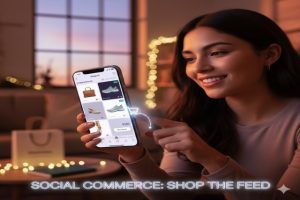
Social media platforms are now turning into digital marketplaces. Today, it’s possible to discover, review, and purchase products right inside apps such as Instagram, Facebook, or TikTok.
The trend, called social commerce, eliminates the need for customers to go to separate websites, thus making shopping faster and more interactive.
Key Benefits:
Simplified customer buying journey.
In-app shopping causes increased impulse buying.
The direct relationship between customers and brands.
Trips Pro:
Use high-quality visuals, authentic reviews, and shoppable tags to optimize your product posts.
4. Influencer Marketing Becomes More Authentic
Influencer marketing is not new, but in 2025, it’s all about authenticity and micro-influencers.
Now, instead of celebrities, brands prefer working with smaller influencers with a loyal, niche following. These creators connect better with their audiences and bring in higher engagement rates.
Trends to Watch:
Nano and micro-influencers on the rise: 1K-50K followers.
More long-term partnerships, rather than one-off advertisements.
Transparent collaborations and real product experiences.
5. Community-Led Content at the Center
Today’s audience want to belong, not follow. Building a social community is much more valuable than gaining some random following.
Brands that are creating engaging conversations through comments, polls, and challenges build strong bases of loyalty.
How to Build a Community:
Start Q&A sessions or live videos.
Create invitation-only groups on Facebook and/or on Discord.
Start responding regularly to comments and DMs.
Encourage UGC.
6. AR and VR Experiences
AR and VR are changing how users interact with brands online, from trying on makeup filters on Instagram to attending virtual concerts on Roblox. Immersive experiences are the future of social media engagement.
Why AR/VR Marketing Works:
It’s fun and interactive.
It helps customers to visualize the product before a buy.
It projects a very futuristic, tech-savvy brand image.
More brands will invest in AR filters, 3D product demos, and virtual brand events in 2025.
7. The Growth of Social Audio
Meanwhile, audio platforms, such as Clubhouse, X Spaces, and LinkedIn Audio Events, are continuing to gain momentum. They allow professionals and brands to connect with each other in live conversations in real time.
Benefits of Social Audio:
Builds personal connection through voice.
Great for thought leadership and Q&A sessions.
Encourages deeper discussions beyond the level of visuals.
Brands are using social audio for product launches, expert panels, behind-the-scenes updates, and more.
8. The Power of User-Generated Content (UGC)
User-generated content is still one of the most trusted forms of marketing. When real users post something about your brand, this acts like free promotion and a way to boost credibility.
By 2025, brands will be more actively encouraging users to create and share content around hashtags, contests, or reviews.
Ways to Encourage UGC:
Run hashtag campaigns.
Repost customers’ stories and videos.
Offer giveaways for the best user posts.
9. Personalization through Data and AI
Social media today uses advanced algorithms to personalize everything from the content a user views down to the ads they interact with.
Brands that create messages personalized according to the behavior and interests of users record better conversion rates.
Personalization Tips:
Segment followers using audience insights.
Send targeted messages based on engagement history.
Analyze post performance and trends using AI-powered tools.
10. Social Media as a Search Engine
People are using platforms such as TikTok, Instagram, and Pinterest as their search engines. Instead of typing on Google, users search directly for tutorials, reviews, and ideas within the social apps themselves.
How to Optimize for Social Search:
Use SEO-friendly captions and hashtags.
Put keywords in your bio and post descriptions.
Create tutorial-based video content with clear titles.
By optimizing your social media content for search intent, your brand will surface in more user discoveries.
11. Sustainability and Purpose-Driven Marketing
It’s values, not products, that modern audiences care about. Brands talking about sustainability, equality, and social causes are way more relatable to both Gen Z and Millennials.
How to Implement Purpose-Driven Marketing:
Highlight your brand’s eco-friendly practices.
Support social causes your audience relates to.
Be transparent and avoid “greenwashing.”
This helps the brand to gain trust and loyalty in the long run.
12. Omnichannel presence is a must
It is a risk to depend on one platform alone in 2025. Algorithms keep on changing; the audience is scattered across many channels.
Successful brands stay active on Instagram, TikTok, LinkedIn, YouTube, and X (Twitter).
Smart Strategy:
Repurpose one piece of content across platforms.
Adapt your tone and style to the audience you address.
Monitor which platforms allow for the most engagement.
13. Growth of Private
Private communities and chat groups in Telegram, WhatsApp, and Discord are fast becoming the next big thing in social engagement.
People want smaller, more exclusive spaces where they connect with like-minded people and brands.
Why It Works:
Builds trust and intimacy with followers.
Fosters meaningful real-time engagement.
Ideal for loyal customer groups and product updates.
14. Social Media Analytics 2.0
Analytics have moved past likes and shares; in 2025, brands will be measuring sentiment, emotional response, and quality of engagement in order to fine-tune their strategies.
What to Track:
Conversion rate from social media.
Time spent on video content.
Emotional tone of comments and reviews.
Better data means smarter marketing decisions.
15. AI Chatbots and Instant Messaging for Customer Support
Now, brands are using AI-powered chatbots on Facebook Messenger, Instagram, and WhatsApp to handle instant customer queries.
This ensures support at all times and helps brands maintain fast response times.
Benefits:
Enhances customer satisfaction.
Reduces manual workload.
Builds trust by providing timely assistance.
Conclusion:
Social media marketing in 2025 will be all about authenticity, automation, and adaptability. Be it a small business or a global brand, keeping abreast of the above trends will help one stay relevant, engaging, and ahead of competition. Your brand can create strong growth engines on these platforms when you combine AI-powered tools, short-form videos, community building, and purpose-driven ways.